ChatMTB is an AI assistant — AI can make mistakes, always verify info

What a pump track is, how to ride one and track etiquette, with region by region guides to the pump tracks and BMX tracks on iBikeRide, each with a map.
What is a pump track?
A pump track is a closed loop of rollers and banked turns, built so you can keep moving by pumping your body up and down rather than pedalling. Push down on the back of each roller and lift over the front, carry that speed into the berm, and a good lap needs no pedalling at all.
They suit every kind of rider. A first lap can be rolled slowly with wheels on the ground, while experienced riders pump for speed, link features together and jump them. Most are in public parks and free to ride, and many are open to scooters, skateboards and inline skates as well as bikes.
Asphalt, concrete or dirt
- Asphalt is the most common surface. Asphalt tracks ride all year and drain quickly after rain.
- Concrete pump tracks usually come as part of a skate park, built alongside it or as an extension of it.
- Dirt tracks, usually with a compacted stone or dust surface, are softer and feel more like a trail. Many have asphalt berms, so the corners hold their shape. The dirt sections are easily damaged when wet, so give them time to dry out after rain.
Why BMX tracks are in these guides
We have included BMX tracks, because riders use both and the riding overlaps. They range from club race tracks with a start hill and big jumps to small BMX tracks in local parks. Each card says which it is, and where a track is run by a club, which may have members-only sessions or race days.
What to ride and wear
- Any bike will go round. Smaller, stiffer bikes such as a BMX or a dirt jump hardtail are the easiest to pump, but a trail bike works too, and riding one on a pump track is good practice for the trail.
- Not just bikes: skateboards, scooters and inline skates ride asphalt and concrete tracks too, so expect to share. Dirt tracks are usually for bikes only.
- A helmet, at the least. Gloves, and knee and elbow pads, are a good idea, and some tracks' own rules ask for them.
- Flat pedals make it easier to put a foot down while you learn.
Track etiquette
- Ride in the direction the track is marked, if it is marked.
- Look before you drop in, and take turns when it is busy.
- Do not stop on the track. If you come off, move out of the way quickly.
- Watch out for younger and newer riders, and give them space.
- Most tracks are no motorbikes and no e-scooters. Check the sign at the track.
Region guides
12 entries
Each region guide lists the pump tracks and BMX tracks in that region by county, with a map of every one, plus the trail centres and bike parks that have a pump track. We are adding the other regions one at a time. Until yours has a guide, use the trail search: set Type of riding to Pump Track or BMX, and pick your county under Region.
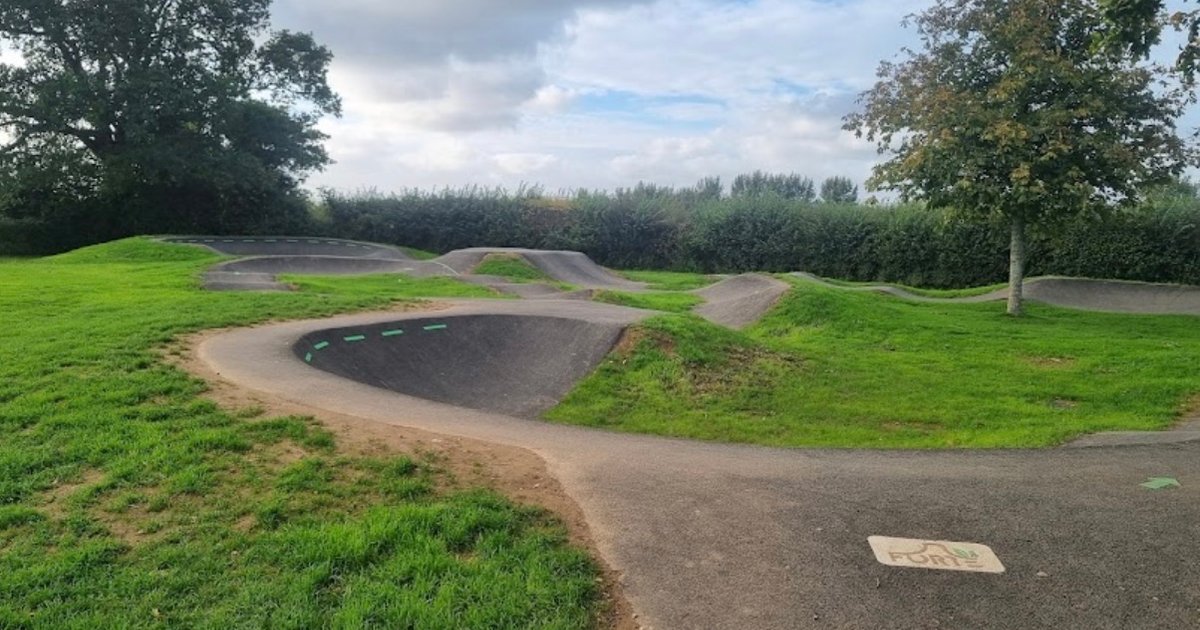
Pump Tracks in Devon and Cornwall - 31 tracks in two counties
Cornwall and Devon, including Torbay and Plymouth, plus six bike parks and trail centres.

Pump Tracks in Somerset, Dorset, Wiltshire and Gloucestershire - 50 tracks across four counties, Bristol and Bath
Bristol, Bath and Swindon as well as the four counties, plus three bike parks and trail centres.
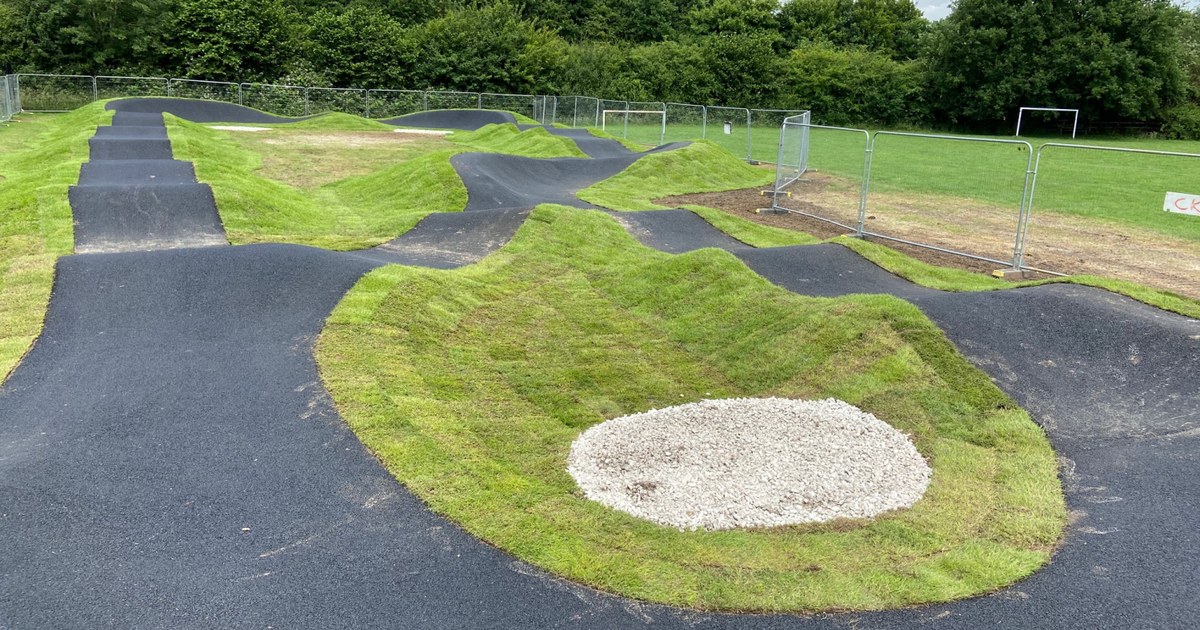
Pump Tracks in the East Midlands - 36 tracks in five counties
Derbyshire, Leicestershire, Lincolnshire, Northamptonshire and Nottinghamshire, plus two trail centres.
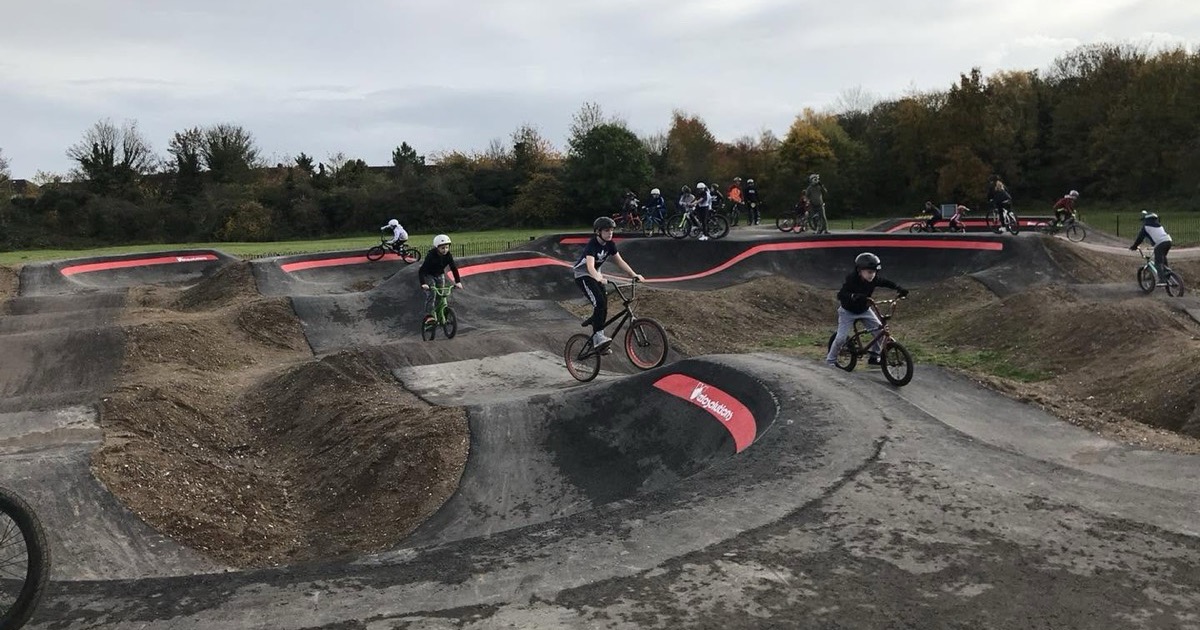
Pump Tracks in the South East - 71 tracks across eight counties, from Kent to Oxfordshire
Berkshire, Buckinghamshire, East Sussex, Hampshire, Kent, Oxfordshire, Surrey and West Sussex, including Milton Keynes, Brighton and Hove, Portsmouth and Southampton, plus five bike parks and trail centres.
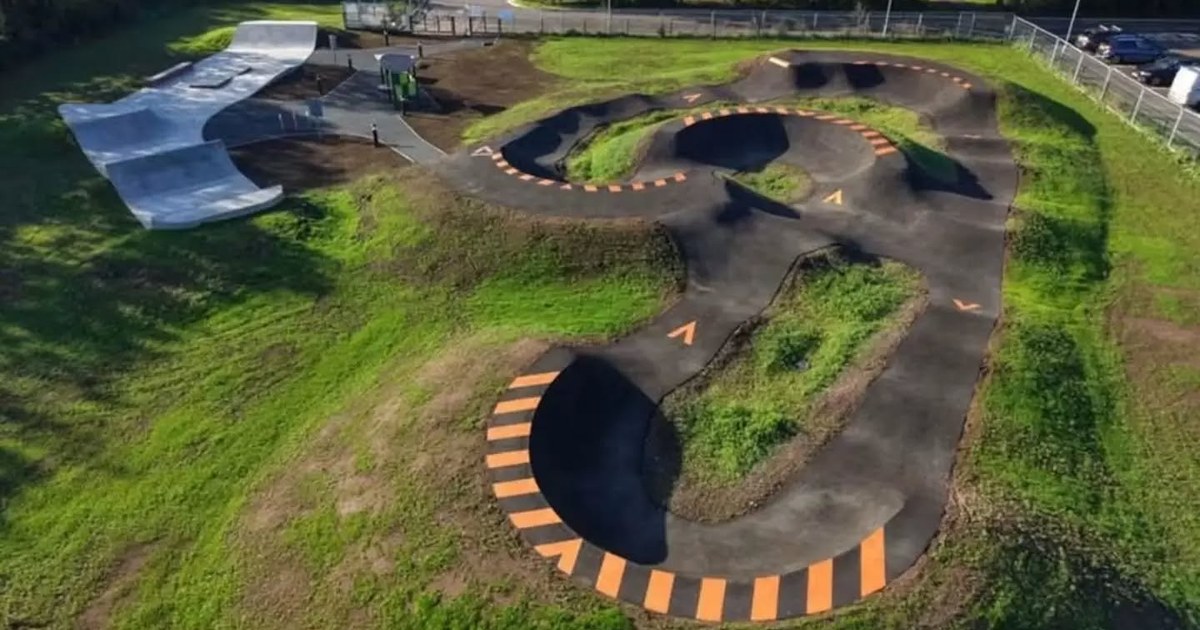
Pump Tracks in the West Midlands - 57 tracks across six counties, from Shropshire to Warwickshire
Herefordshire, Shropshire, Staffordshire, Warwickshire, Worcestershire and the West Midlands, including Shrewsbury, Telford, Birmingham and Coventry, plus three bigger venues.
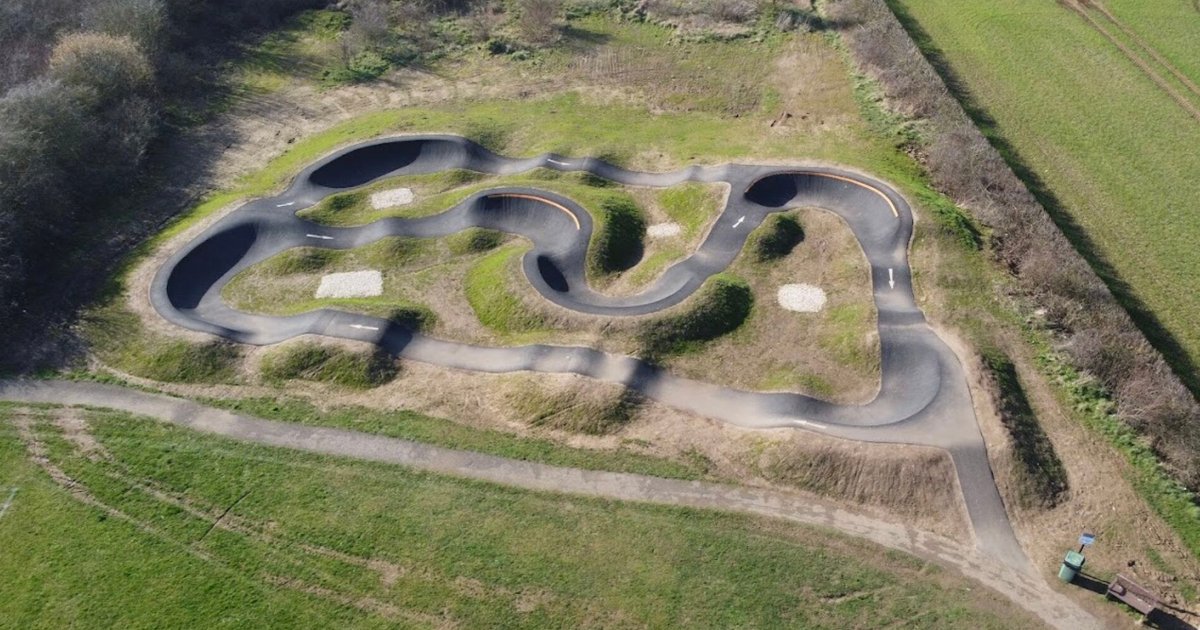
Pump Tracks in Yorkshire and the North East - 55 tracks from North Yorkshire to Teesside, Sheffield to Northumberland
North, West and South Yorkshire, York, the East Riding, North and North East Lincolnshire, Northumberland, Tyne and Wear, County Durham, Darlington and Teesside, plus six bigger venues.
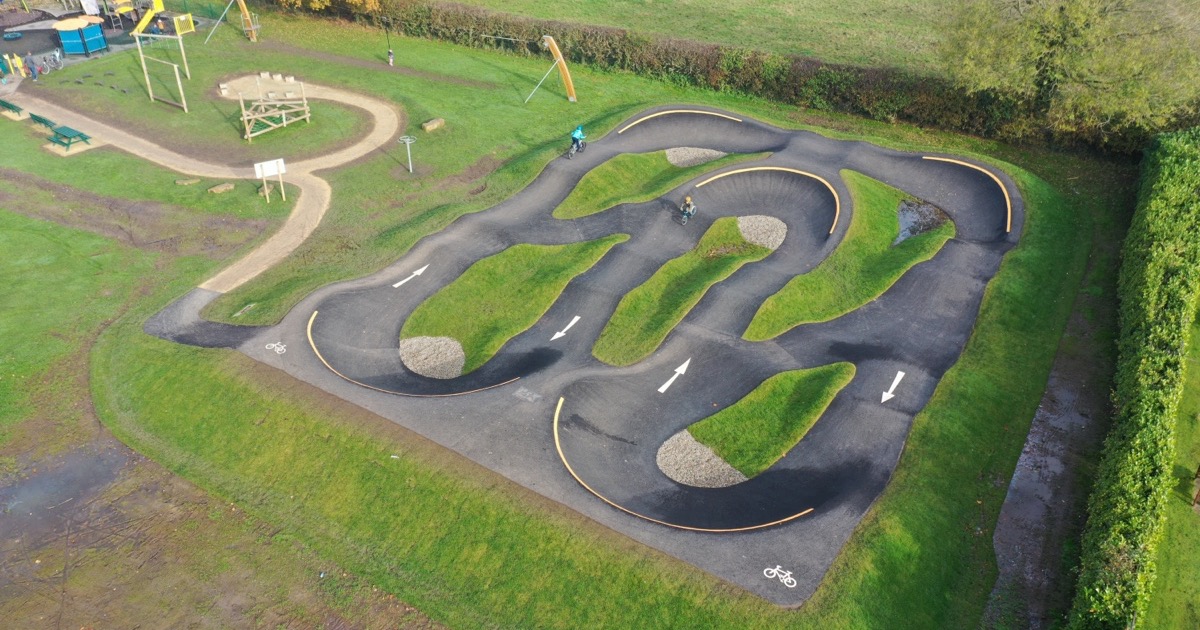
Pump Tracks in the North West - 62 tracks from Greater Manchester and Merseyside to Lancashire, Cheshire and Cumbria
Greater Manchester, Lancashire, Blackpool, Merseyside, Warrington, Halton, Cheshire and Cumbria, plus four bigger venues.
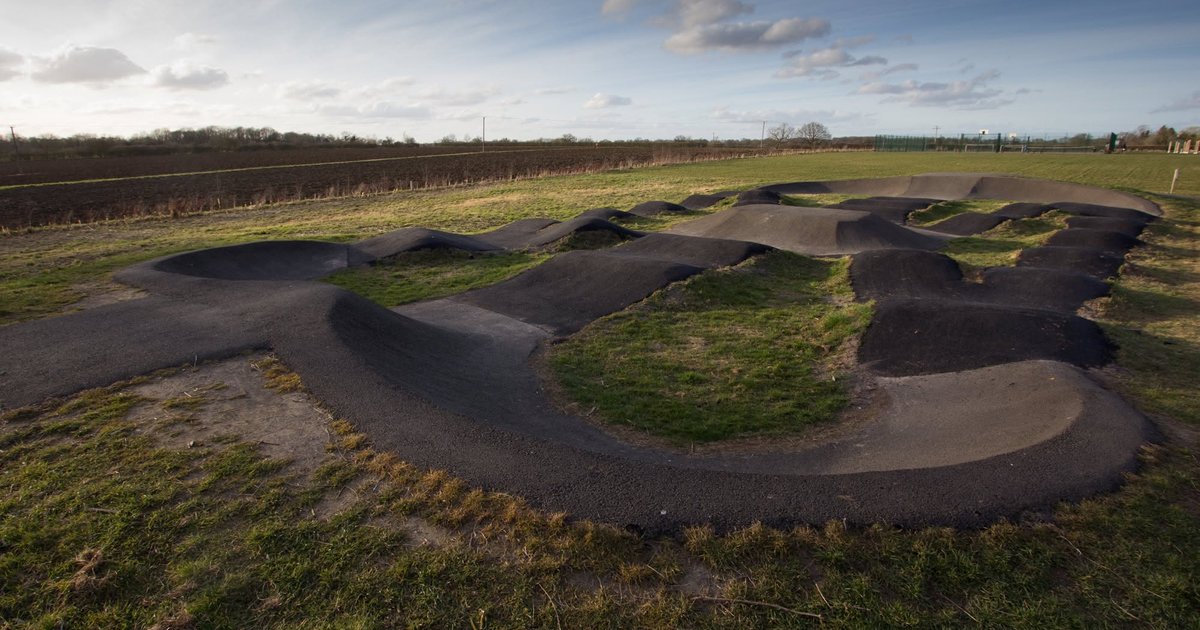
Pump Tracks in the East of England - 40 tracks across six counties, from Hertfordshire to Norfolk and the Essex coast
Hertfordshire, Bedfordshire, Cambridgeshire, Peterborough, Norfolk, Suffolk and Essex, plus six bigger venues.
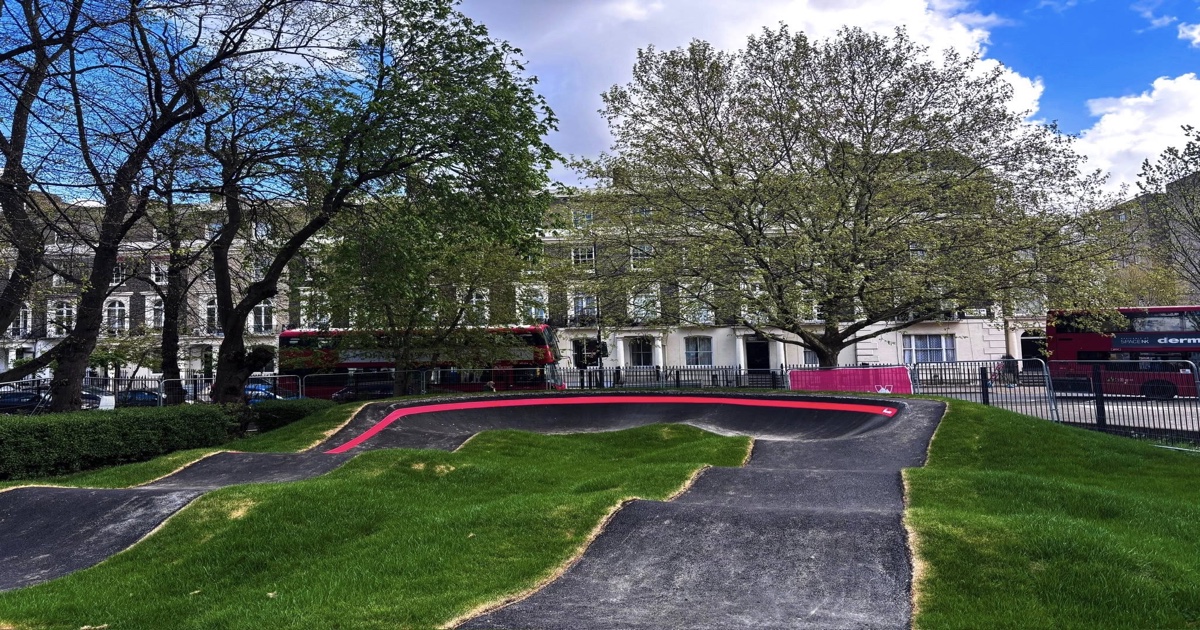
Pump Tracks in London - 21 tracks, one in each of 21 boroughs, from Hillingdon to Havering
North and West, East, South East and South West London, plus Lee Valley VeloPark and Redbridge Cycling Centre.
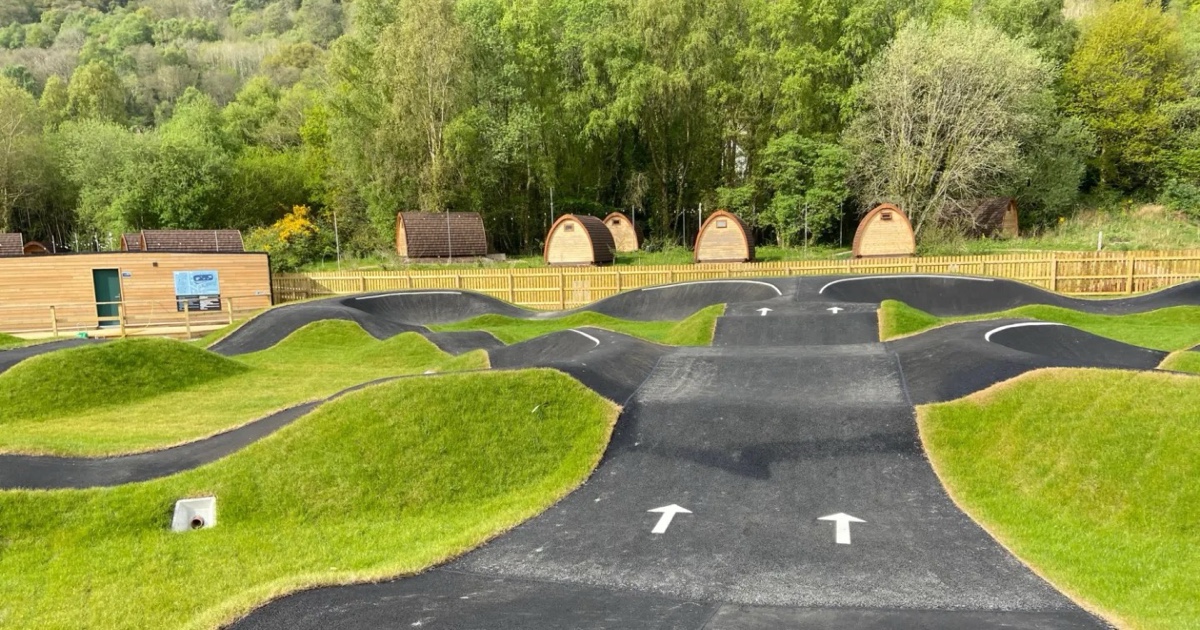
Pump Tracks in Wales - 25 tracks, from Talysarn and Abergele in the north to Pembroke Dock and Cardiff in the south
North Wales, Mid and West Wales and South Wales, plus five bigger venues, including BikePark Wales.
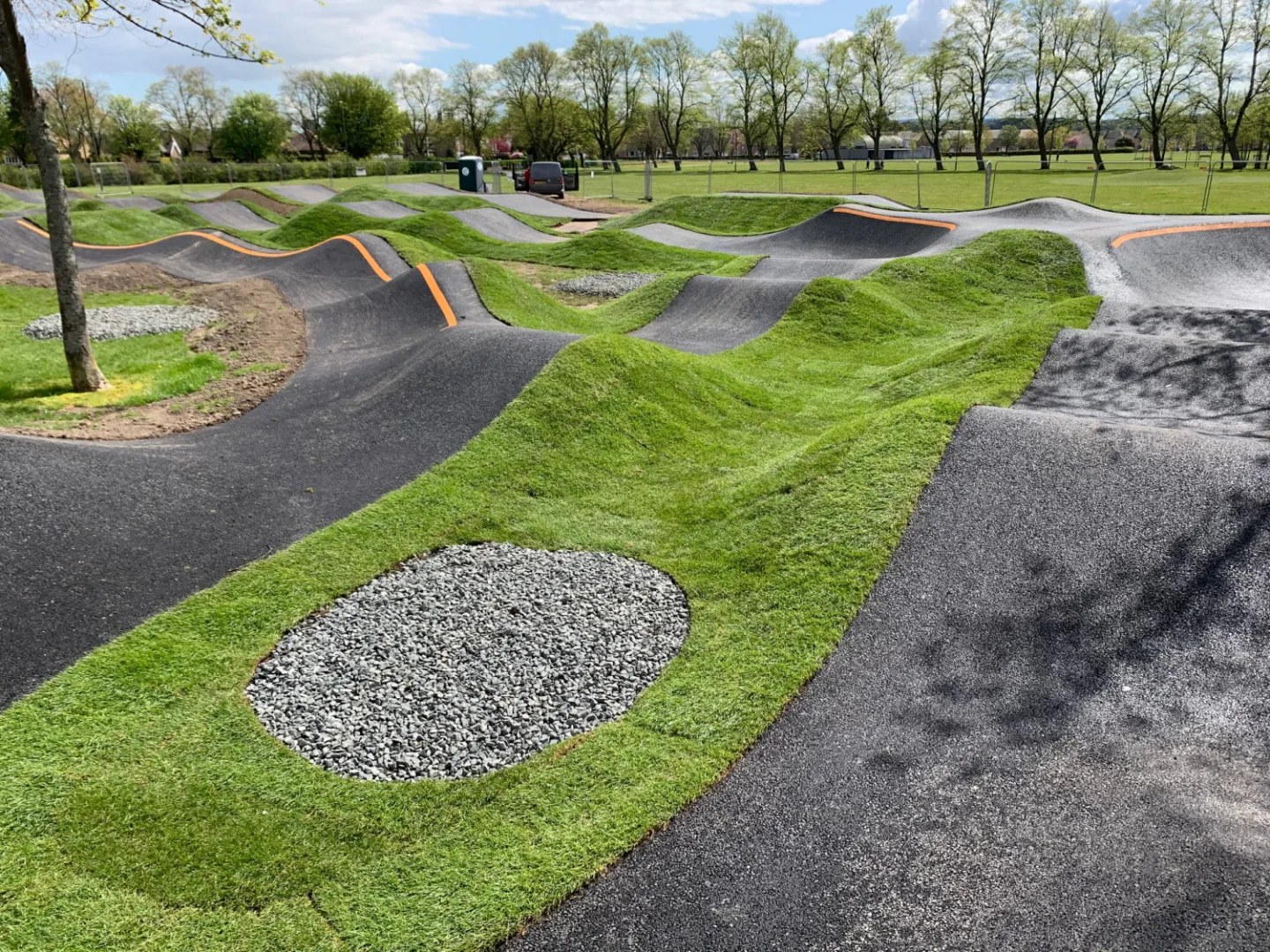
Pump Tracks in Scotland - 74 tracks, from Glasgow and the Lothians to the Borders, Aberdeenshire and the Highlands
Glasgow and the West, Edinburgh and the Lothians, Central Scotland, Fife and Tayside, the South of Scotland, and the North East and the Highlands, plus 14 bigger venues.
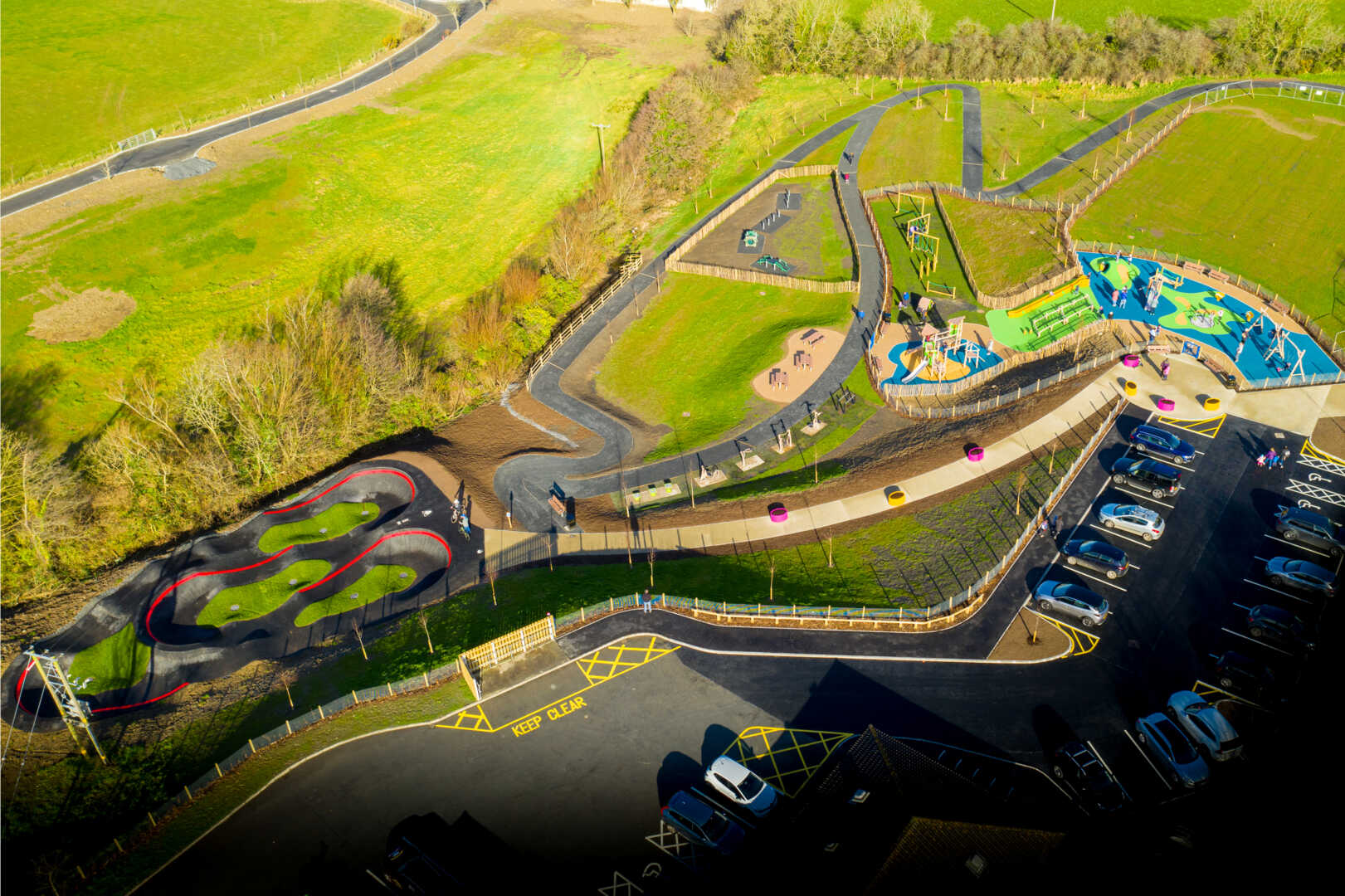
Pump Tracks in Northern Ireland - 11 tracks, from Belfast and Lisburn to Newtownards, Downpatrick and Gilford
Belfast, County Antrim and County Down, plus six trail centres and parks with a pump track or jump park.
More on pump tracks
For why pump tracks and jump lines are built so differently, and what riders enjoy about each, read Pump Tracks and Jump Lines in the UK: Why Designs Differ, and What Riders Enjoy.
Something missing?
Know a pump track or BMX track we have missed, or something in a region guide that is out of date? Leave a comment on this guide or get in touch, and we will check it and add it.
Hero photo by Scott R on Pexels.